Ylang Ylang: the 'Flower of Flowers' that calms mind, body & spirit
“This exotic flower of flowers softens the attitude, breaks old patterns and evokes flexibility”
Imagine plucking a blossom from the lush Ylang Ylang tree—its petals heavy with a scent so sweet, it feels like a hidden treasure in the rainforest. Ylang Ylang Complete essential oil captures this moment, bottling up the plant’s natural compounds that weave together both fragrance and well-being.
YLANG YLANG IDENTITY
Common name/s: Ylang ylang, Mata’oi (CK), Motoi (FP)
Botanical name/s: Cananga odorata (Lam.) Hook.f. & Thomson
Family: Annonaceae
Part of plant used: Flowers
Extraction: Steam distillation
Color of the oil: Clear, pale yellow
ETHNOBOTANY
This tropical evergreen grows in Southeast Asia, including the Philippines, Malaysia, and Indonesia. Ylang ylang is also found throughout the South Pacific, including the Cook Islands. You can recognise it by its drooping branches and glossy green leaves. Star-shaped flowers give off a strong, sweet scent.
Ylang Ylang trees can reach 20 metres, but growers often prune them so they can easily pick the flowers. The flowers are the main source of the essential oil; they start white, turn green, and then yellow as they mature. The fruits hold 6 to 12 flat, pale brown seeds.
TRADITIONAL USE
Ylang-ylang oil has long been used as a treatment for hair growth in many countries.
In the Philippines, the term for ylang-ylang means "flower of flowers". The plant is often used in various balms to treat wounds, burns and insect bites.
The Marquesans use the highly fragrant flowers to perfume coconut oil or to make Umuhei, the Marquesan aphrodisiac “bouquet” body oil.
In Java and Vietnam the dried flowers are used to treat malaria. Traditional healers in the Northern Mariana Islands used the fresh flowers and bark to treat asthma, pneumonia and stomach cramps.
In Indonesian, people use ylang-ylang oil as an aphrodisiac The Ylang-ylang flowers are scattered on the beds of newlyweds because the scent is said to have a calming and euphoric effect which eases sexual anxiety and stimulates libido.
In India, they apply ylang-ylang leaves to the skin to treat dandruff. The oil helps relieve headaches, eye inflammation, and gout. A decoction from the bark treats rheumatism, ulcers, fevers, and eye infections.
In Papua New Guinea, people use a decoction from the inner bark to help with gout and stomach problems. In Tonga and Samoa, they use the plant as a laxative.
A PERFUMER’S FLOWER
Ylang-ylang essence has a fragrance that is floral, spicy, exotic, powerful, camphorated, medicinal and slightly fruity. This aroma was made famous in 1923 by Coco Chanel with the perfume Chanel No. 5, then in 1938 by Patou with Joy and is, to this day, one of the base notes of many perfumes.
ONE PLANT - 6 ESSENTIAL OILS
There are different grades of Ylang Ylang essential oil, corresponding to the different fractions of flower during steam distillation. During this process, which can take up to 20 to 24 hours in total, the most fragrant molecules in the flower are extracted first. Several fractions of Ylang Ylang essential oil are obtained and isolated, from the most fragrant to the least fragrant.They all have different physical and chemical properties. These include:
Ylang Ylang Super Extra: Obtained after one hour of distillation, it contains all the fragrant molecules of the Ylang Ylang flower, making it a highly sought-after essential oil in the luxury perfume industry
Ylang Ylang Extra: obtained after two hours of distillation, this is the most aromatic, fragrantly intense because it contains the most volatile molecules of the flower. It is highly prized by perfumers, but it is also the most expensive!
Ylang Ylang I: obtained after 6 hours of distillation. It is mainly used in perfumery.
Ylang Ylang II: obtained after 8 hours of distillation and is widely used in cosmetics for its sweet exotic scent.
Ylang Ylang III: obtained after 12 to 20 hours of distillation and closest to Ylang Ylang complete in physical properties, but mainly used in cosmetics.
Ylang Ylang Complete: is obtained through complete distillation and combines all the fractions. It is the most widely used in aromatherapy because it contains all the therapeutic molecules present in Ylang Ylang. Its colour varies from pale yellow to dark yellow, and it has a characteristic jasmine scent.
CORE BENEFITS
Calming, sedative, relaxing ++++ (esters): Science tells us that Ylang Ylang can help boost serotonin and dopamine—those ‘feel-good’ brain messengers. But beyond the molecules, I’ve found it’s like a gentle lullaby for the senses, inviting peace in after a wild day.
This effect may come from its benzyl benzoate content. Geranyl acetate, another compound in Ylang Ylang, helps balance the autonomic nervous system, which controls stress symptoms like a faster heartbeat or sweating. A 2018 study on stressed mice also found that Ylang Ylang lowers blood cortisol, a stress hormone.
Spasmolytic, analgesic +++ (linalool, esters): Because of its calming and relaxing qualities, Ylang Ylang essential oil helps relax muscles. It also works directly on muscles through the cAMP pathway. Ylang Ylang can also relieve pain. A study by Borgonetti et al. (2022) found its effect on nerve pain is similar to morphine, a strong painkiller used in hospitals.
Aphrodisiac +++ (linalool, esters): Ylang Ylang Complete essential oil has long been used to help people relax and ease anxiety, which can be helpful during intimate moments. Its sensual scent and natural compounds, like linalool, benzyl benzoate, and geranyl acetate, make it calming and soothing.
Hypotensive, cardiac regulator +++ (esters): Studies show that inhaling Ylang Ylang or using it on the skin can lower blood pressure and heart rate in people under stress, thanks to its calming effects. Stress often causes a faster heartbeat and higher blood pressure.
Hair tonic, sebum regulator ++ (monoterpene alcohols): Because it contains monoterpene alcohols, Ylang Ylang Complete essential oil helps balance sebum production, so the skin, scalp, and hair do not get too oily or too dry.
Dosage, cautions and contraindications
Generally Ylang ylang is non-toxic, non-irritating and non-sensitising, butI do recommend a patch test as, according to Tisserrand & Young, there may be moderate risk of skin sensitisation for highly sensitive individuals, and it should be avoided on sensitive, diseased, or damaged skin, as wellas on children under two years old. They recommend diluting it to no more than 0.8% in a carrier oil for topical use.
Excessive use may cause nausea. If your using Ylang ylang on its own in a diffuser I recommend not using more than 5 drops and limiting diffusion to half an hour.
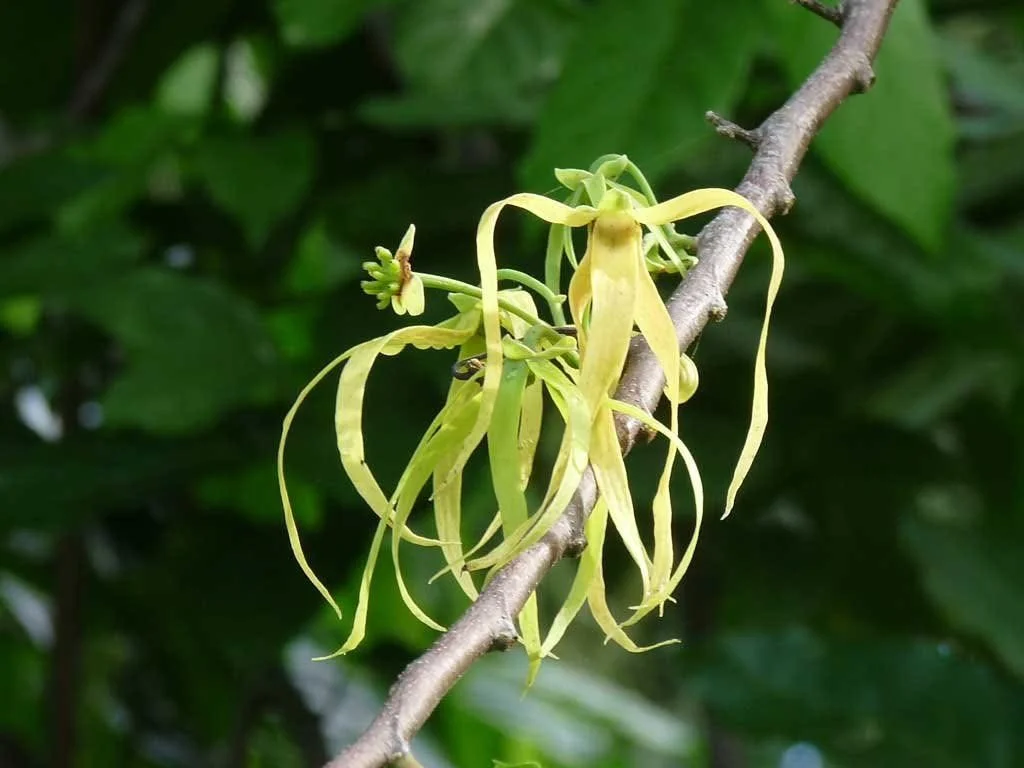
Ylang ylang flower, Rarotonga 2025
YLANG YLANG FOR THE BODY
Ylang ylang calms stress in our hearts. For those days when stress sends your heart racing, Ylang Ylang might help slow things down. Studies show it can help lower blood pressure and soothe a pounding heart induced by a form of emotional overload from anxiety, shock or trauma. I like to think of it as a ‘pause’ button for busy bodies and minds.
Ylang ylang relaxes the breath when when spasmodic coughing or asthma try to take over.
Ylang ylang soothes painful cramping and spasms, especially for those with IBS, a gentle massage on the abdomen will smooth away the discomfort little by little.
Ylang ylang eases the physical discomfort of PMS, harmonising and gently calming those wild mood swings.
Ylang ylang rekindles the spark of intimacy through a stimulating effect on low libido, and by alleviating feelings of sexual inadequacy and self-doubt.
Ylang ylang has a harmonising effect on the skin, whether excessively oily or dry, it normalises the sebaceous glands, ensuring balanced lubrication, protection, and moisture. This also applies to the scalp and hair, where Ylang Ylang has traditionally been used in Ayurveda to treat split ends, promote growth, and restore lustre to dull hair.
“It shields and guides the passion of love and true emotion, whilst allowing a tender awakening of that sensual partof our being and spirit which can embrace all things”
YLANG YLANG FOR THE MIND
Malte Hozzel tells us how, through inhalation of sesquiterpene rich oils such as Ylang ylang can
“help us surpass and release traumatic emotions, depression, anxiety and fear whenever they are stored in the body-mind”
He further explains that in 1992, research by Dr Joseph Ledoux of New York Medical University discovered that sesquiterpenes and sesquiterpenols breach the blood-brain barrier, affecting the amygdala, one of the areas of the brain that records and stores emotional trauma:
“When inhaled, the essential oils have the capability on a cellular DNA level to completely erase the memory of emotional trauma”
Holmes describes Ylang Ylang as a remedy for the soul as much as for the body, suggesting combining it with Lavender, Blue Tansy, or Spikenard to alleviate the physical symptoms of nervous tension, stress, and anxiety, such as insomnia, palpitations, tachycardia, or hypertension.
People have whispered about Ylang Ylang’s romantic powers for generations. It’s said to help melt away anxiety, making room for closeness and connection. Its scent—soft, floral, a little exotic—can set the mood for meaningful moments, whether with yourself or someone you love. Can a fragrance really open hearts? I think so.
YLANG YLANG IN SYNERGY - A FEW BLENDS
For its calming effect against stress:
In a 10ml roller ball bottle create the following blend
4 drops of Petit Grain Bigarade (Citrus Aurantium Amara)
2 drops of Ylang Ylang Complete (Cananga odorata)
2 drops of Lemongrass (Cymbopogon Flexuosus Oil)
Fill with Jojoba or other oil of your choice, add 2 drops of Tocopherol ( Vitamin E) to increase the shelf life
How to use: Apply and rub in circular motions to the solar plexus and rub into the inside of each wrist. Repeat 2 to 3 times a day as needed.
For anxiety related to hypertension, palpitations and tachycardia*:
*Consult your medical professional and use with their approval. This blend is to alleviate stress and does not replace treatment for high blood pressure or heart rhythm disorders.
In a 10ml essential oil bottle create the following blend
30 drops of Marjoram (Origanum Majorana)
10 drops of Ylang Ylang Complete (Cananga odorata)
10 drops of Lemon Eucalyptus (Corymbia citriodora)
30 drops of Lavander (Lavandula Angustifolia)
How to use: Add 5 drops of the blend to a tablespoon of Jojoba, Argan or other oil of your choice. Massage in circular motions to the solar plexus and rub into the inside of each wrist. Repeat 2 to 3 times a day as needed.
For dull excessively dry or oily hair and/or hair loss:
In a 30 ml dropper bottle add the following:
3 drops of Ylang Ylang Complete (Cananga odorata)
3 drops of Juniper (Juniperus communis)
6 drops of Rosemary (Salvia rosmarinus ct.cineole).
Fill the bottle up with the oil of your choice:
Jojoba or Hazelnut for oily hair,
Castor or Mustard for hair loss,
Argan or Coconut for dry hair.
How to use: Massage a few drops of the following mixture into the scalp one hour before shampooing.
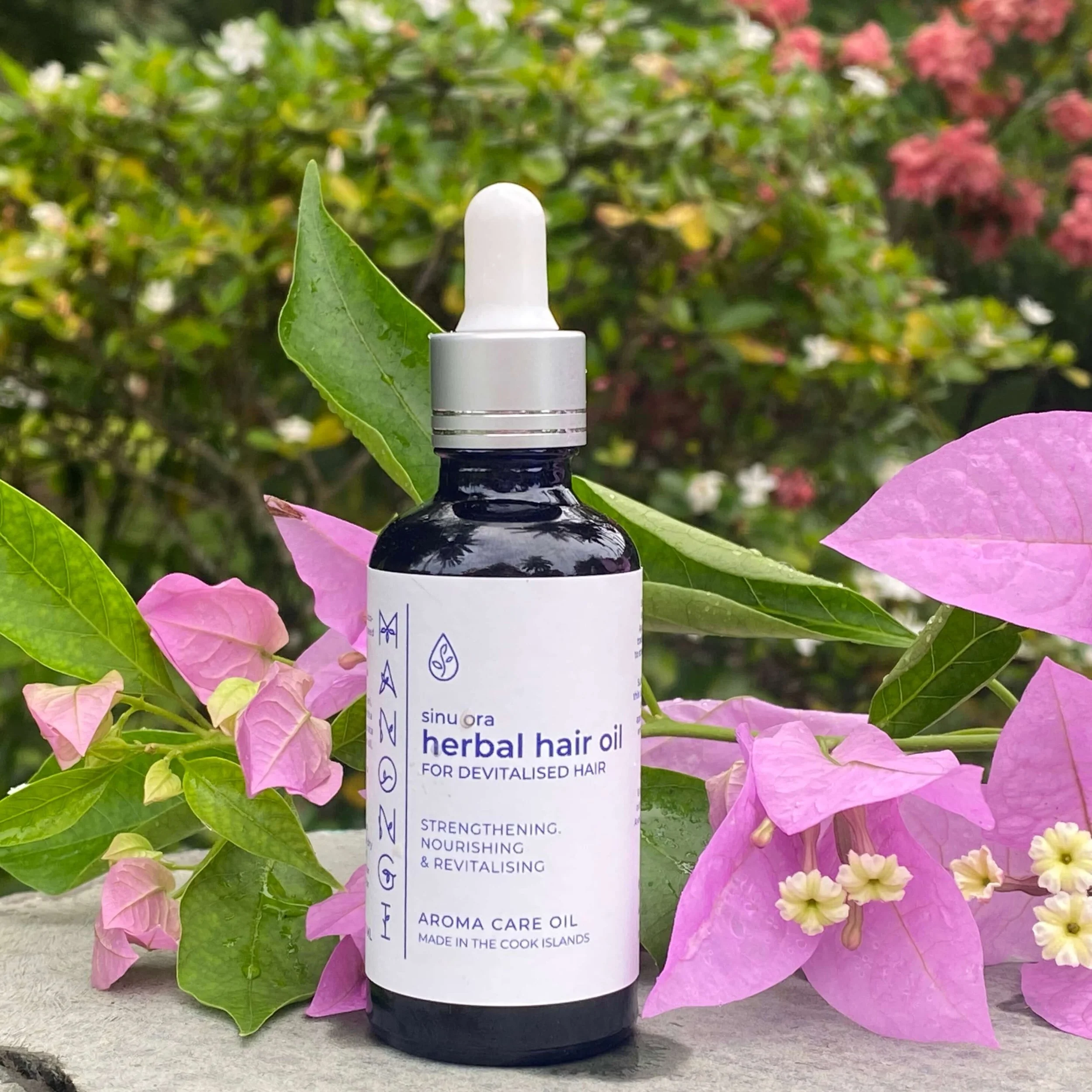
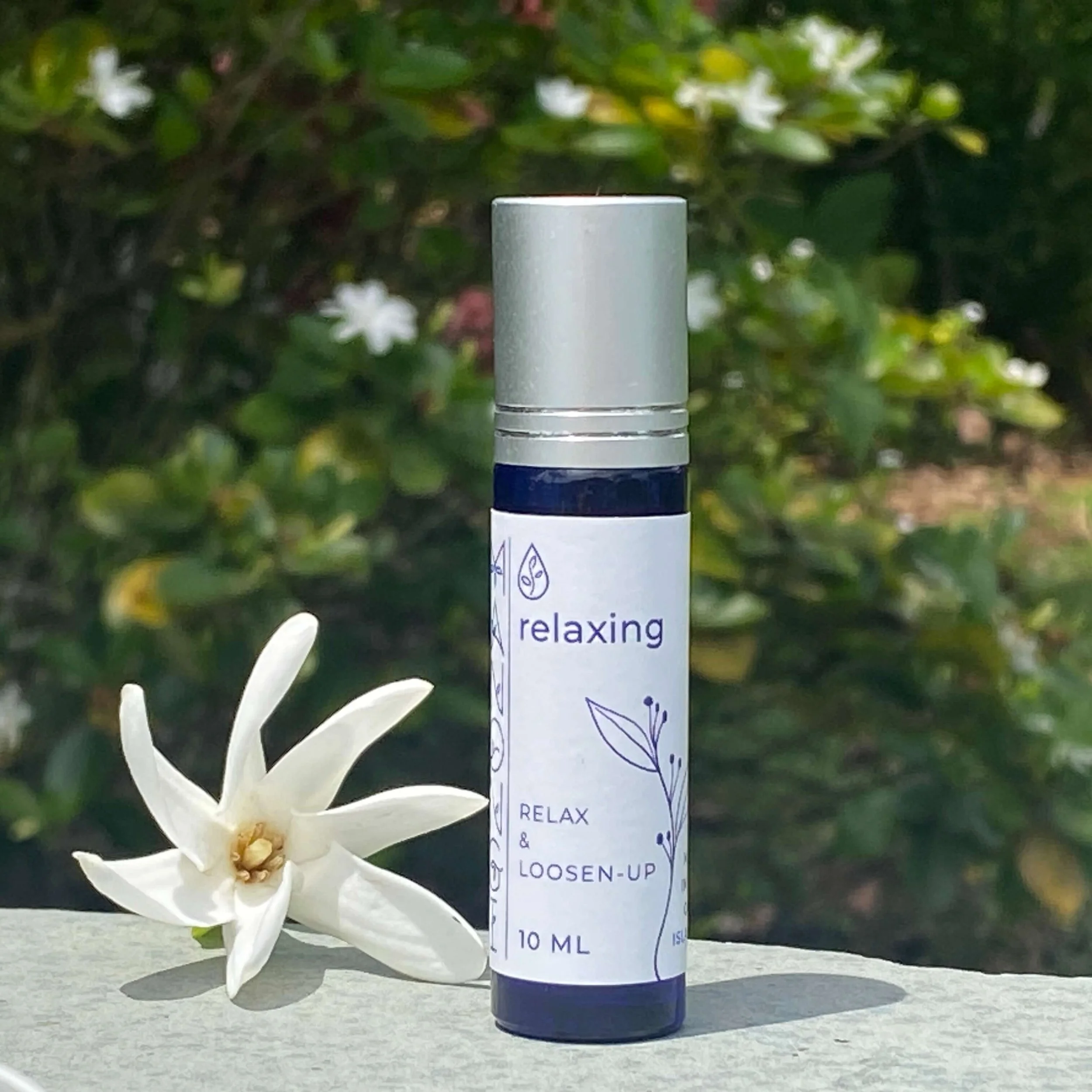
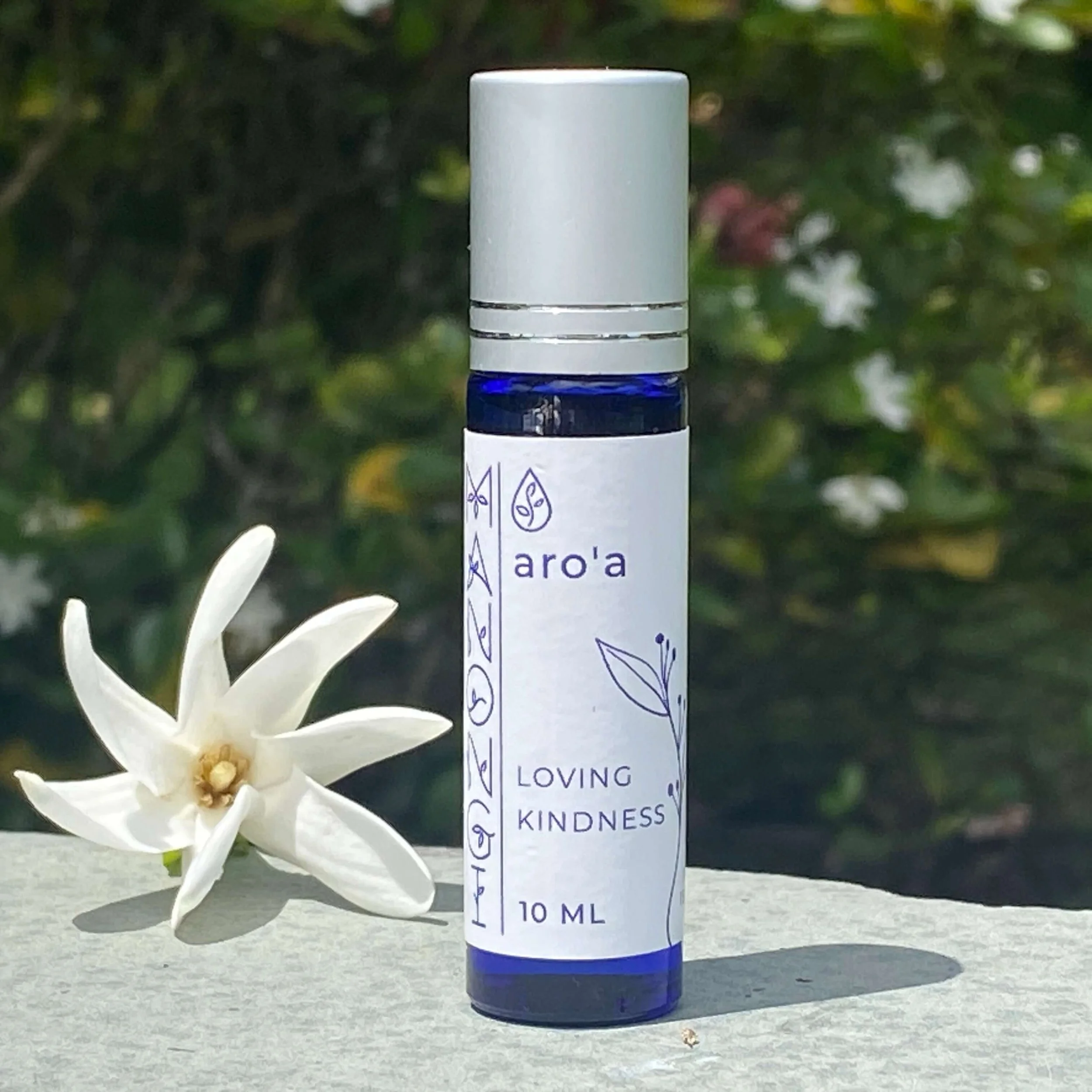
YLANG YLANG AT MANONGI
REFERENCES
TO READ:
The Blossoming Heart, Robbi Zeck
The Complete Guide to Aromatherapy Vol 1 - Foundations and Materia Medica, Salvatore Battaglia
Essays on Holistic Aromatherapy, Malte Hozzel
Aromatica Vol 1, Peter Holmes
The Fragrant Mind: Aromatherapy for Personality, Mind, Mood and Emotion, Valerie Ann Worwood
Essential Oils for Radiant Health, Susanne Fischer Rizzi
TO BROWSE:
A Scented Journey to the Ylang Ylang Capital of the Philippines, by Jirbie Go
TO LEARN:
The Scent of Serenity: Exploring Ylang Ylang, The School for Aromatic Studies, online short course
RESEARCH:
Borgonetti, V., López, V., & Galeotti, N. (2022). Ylang-ylang (Cananga odorata (Lam.) Hook. f. & ; Thomson) essential oil reduced neuropathic-pain and associated anxiety symptoms in mice. Journal of Ethnopharmacology, 294, 115362. https://doi.org/10.1016/j.jep.2022.115362
Cha, J., Lee, S., & Yoo, Y. (2010). Effects of Aromatherapy on Changes in the Autonomic Nervous System, Aortic Pulse Wave Velocity and Aortic Augmentation Index in Patients with Essential Hypertension. Journal of Korean Academy of Nursing, 40(5), 705. https://doi.org/10.4040/jkan.2010.40.5.705
De Groot, A. C., & Schmidt, E. (2017). Essential Oils, Part VI. Dermatitis, 28(1), 14–21.
Holt, S. (1999). Natural Approaches to Promote Sexual Function : Part 2: Stimulants and Dietary Supplements. Alternative and Complementary Therapies, 5(5), 279–285. https://doi.org/10.1089/act.1999.5.279
Hongratanaworakit, T., & Buchbauer, G. (2004). Evaluation of the Harmonizing Effect of Ylang-Ylang Oil on Humans after Inhalation. Planta Medica, 70(7), 632–636. https://doi.org/10.1055/s-2004-827186
Hongratanaworakit, T., & Buchbauer, G. (2006). Relaxing effect of ylang ylang oil on humans after transdermal absorption. Phytotherapy Research, 20(9), 758–763. https://doi.org/10.1002/ptr.1950
Tan, L. T. H., Lee, L. H., Yin, W. F., Chan, C. K., Abdul Kadir, H., Chan, K. G., & Goh, B. H. (2015). Traditional Uses, Phytochemistry, and Bioactivities ofCananga odorata(Ylang-Ylang). Evidence-Based Complementary and Alternative Medicine, 2015, 1–30. https://doi.org/10.1155/2015/896314
Zhang, N., Zhang, L., Feng, L., & Yao, L. (2016). The anxiolytic effect of essential oil of Cananga odorata exposure on mice and determination of its major active constituents. Phytomedicine, 23(14), 1727–1734. https://doi.org/10.1016/j.phymed.2016.10.017
Ghédira, K., & Goetz, P. (2018). Ylang-ylang. Phytothérapie, 16(1), 59–63. https://doi.org/10.3166/phyto-2018-0005
Zhang, N., Zhang, L., Feng, L., & Yao, L. (2018). Cananga odorata essential oil reverses the anxiety induced by 1-(3-chlorophenyl) piperazine through regulating the MAPK pathway and serotonin system in mice. Journal of ethnopharmacology, 219, 23-30.